Yin-Yang Symbol with Butterflies: Merch Review
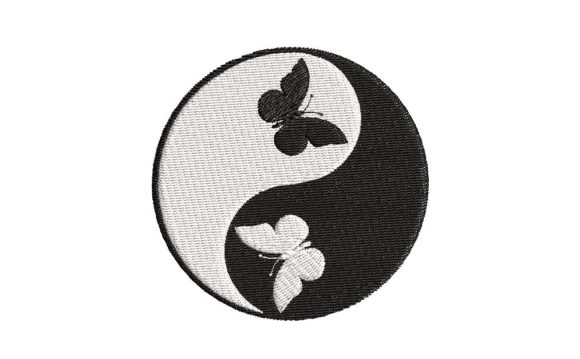
As an embroidery designer who regularly consults for small businesses and apparel decorators, I approach every new machine embroidery design with a critical eye toward production viability and brand alignment. When evaluating the Yin-Yang Symbol with Butterflies, my first impression is one of balanced versatility. While the traditional yin-yang represents the interconnection between positive and negative forces, the addition of butterflies softens the geometric rigidity, transforming a philosophical symbol into something organic and approachable. For a commercial setting, this design reads as mindful, holistic, and artisanal rather than strictly religious or austere. It strikes a unique balance that feels professional yet friendly, making it a strong candidate for brands in the wellness, creative, floral, or handmade sectors.
Evaluating Visual Personality for Brand Identity
In the context of brand identity, visual consistency is paramount. The Yin-Yang Symbol with Butterflies offers a distinct aesthetic that bridges modern minimalism with natural elegance. From a digitizing perspective, the contrast between the solid fills of the yin-yang and the likely satin or fill stitches of the butterfly wings creates necessary texture variation. This prevents the design from looking flat on fabric.
For small business owners, this duality serves a functional purpose. The bold geometry ensures recognition at a distance, while the intricate butterfly details reward closer inspection. This makes the design particularly effective for handmade product tags or boutique merchandise where customers engage physically with the item. Unlike generic clip art, this specific combination suggests a narrative of transformation and balance, which can significantly enhance customer trust and perceived value for yoga studios, tea shops, sustainable fashion labels, and therapy practices.
Real-World Applications in Small Business Merch
When integrating this embroidery file into a commercial product line, versatility is key. Based on the description noting this is a "very easy project suitable for beginners," the stitch logic is likely straightforward, reducing production time and thread breaks during bulk runs. Here is how I envision this design performing across various small business merch categories:
- Embroidered Patches: The circular nature of the yin-yang makes it an ideal candidate for round patches. These can be applied to denim jackets, backpacks, or beanies. The butterfly elements add a decorative border effect that elevates the patch beyond a simple logo.
- Apron Embroidery: For cafés, florists, or bakeries, placing this design on the chest pocket or lower hem of an apron adds a touch of mindfulness to staff uniforms. It signals to customers that the business values harmony and care.
- Tote Bag Design: Canvas totes are a staple for Etsy sellers and market vendors. This design provides enough visual weight to anchor the center of a bag without requiring excessive stabilizer, keeping production costs low.
- Cap Embroidery: While caps present challenges, the central symmetry of this design allows for easier hooping compared to asymmetrical layouts. It works well as a centered front logo for lifestyle brands.
- Custom Apparel Accents: Rather than a large back print, consider using this as a sleeve cuff detail or a nape-of-neck placement on t-shirts. These subtle placements are trending in commercial embroidery and suggest a premium, thoughtful brand voice.
Production Considerations and Technical Limitations
Despite its beginner-friendly reputation, professional results require attention to technical constraints. As a reviewer, I must highlight where caution is needed when deploying the Yin-Yang Symbol with Butterflies in a high-volume environment.
Fabric Texture and Stabilizer Selection
The performance of this design will vary drastically based on fabric texture. On smooth cotton twill or canvas, the edges of the yin-yang should remain crisp. However, on textured fabrics like linen or pique knit, the fine details of the butterfly antennae or wing veins may get lost. Always match your stabilizer to the substrate. For stretchy knits used in staff uniforms, a cut-away stabilizer is non-negotiable to prevent puckering around the dense circular shapes. For tote bags, a medium-weight tear-away usually suffices, but test first to ensure the butterflies do not distort the fabric grain.
Scaling and Stitch Density
While the design is marketed as easy, scaling requires vigilance. If you reduce the size for a small chest logo or hat tag, verify that the stitch density does not become too high, which can cause needle breaks or fabric perforation. Conversely, enlarging the design for a jacket back may reveal gaps in the fill stitches if the original digitizing was optimized only for smaller sizes. Always check the minimum and maximum recommended sizes included with the digital embroidery file before committing to production.
Thread Colors and Contrast
Traditionally black and white, this palette offers maximum contrast and readability. However, for custom apparel branding, you may need to adapt. If embroidering on black uniforms, simply swapping the black portion for white and the white portion for a metallic gold or brand-specific pastel can maintain visibility while aligning with your color scheme. Always run a sew-out to confirm that the new thread colors provide sufficient contrast against both the fabric and each other.
Strategic Designer Notes for Commercial Success
Before adding the Yin-Yang Symbol with Butterflies to your permanent asset library, follow this professional checklist to ensure it meets business standards:
- Verify Licensing: Confirm that the digital embroidery file includes commercial licensing rights. "Beginner-friendly" does not automatically imply permission for selling finished goods or branded merchandise.
- Create a Printable Mockup: Before stitching, place the design digitally on photos of your actual products. A printable mockup helps visualize scale and placement relative to seams, pockets, and zippers.
- Test on Real Substrates: Never assume a design will work on all materials. Sew a test sample on the exact fabric you intend to use for the final product. Inspect the registration between the yin-yang body and the butterfly overlays.
- Check Hoop Size Compatibility: Ensure the design fits comfortably within your machine’s hoop size with adequate margin for stabilization. Crowding the hoop leads to tension issues and misalignment.
- Assess Washability: If this design is for staff uniforms or frequent-use tote bags, wash the test sample three times. Check if the butterfly details hold up or if the satin stitches fray. Durability equals professionalism.
- Compare Against Existing Assets: Place this design beside your current logos and design assets. Does it clash? Does it complement? Visual cohesion builds stronger brand recognition than standalone novelty designs.
Final Verdict for Business Integration
The Yin-Yang Symbol with Butterflies is more than just a decorative shape; it is a functional design asset for businesses that want to communicate balance, nature, and craftsmanship. Its suitability for beginners translates to lower production barriers for small shops, while its symbolic depth offers rich storytelling potential for marketing. Whether used as a signature mark on an apron embroidery project, a unifying element on event merch, or a delicate accent on handmade packaging, this design holds significant commercial merit.
However, success lies in execution. Treat this as a professional tool, not just a craft pattern. By respecting technical limitations regarding density, stabilization, and sizing, and by strategically aligning the imagery with your specific niche, you can transform this accessible design into a cornerstone of your branded merchandise lineup. Always validate your specific file details and test thoroughly to ensure the final product reflects the quality your customers expect.