Passport Cover: A Designer Review for Business Merch
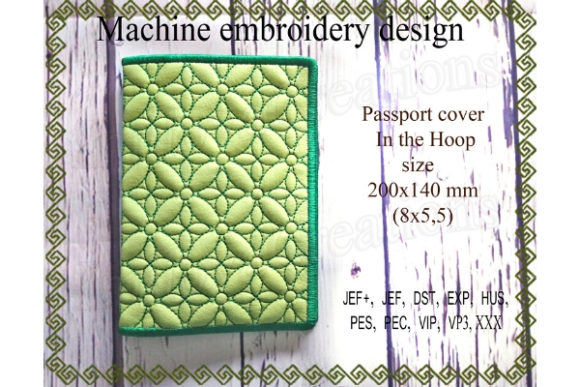
As a professional embroidery designer specializing in commercial branding and small business merchandise, I approach every new digitization with a critical eye. When evaluating the Passport Cover machine embroidery design, my primary focus is not just on aesthetic appeal, but on production viability and brand application. For shop owners, Etsy sellers, and apparel decorators, a design must translate seamlessly from a digital file to a tangible asset that builds customer trust. This review examines how this specific design performs in real-world commercial scenarios, moving beyond hobbyist sewing into the realm of professional product development.
Visual Personality and First Impressions
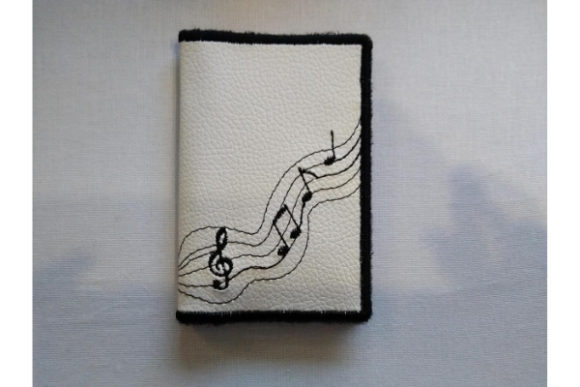
The first impression of the Passport Cover design suggests a blend of utility and classic elegance. In the context of small business merch, this visual tone is significant. It does not scream "novelty"; instead, it communicates reliability, travel, and organization. For a handmade brand or a boutique, this design carries an inherent sense of premium craftsmanship. It feels structured rather than whimsical, which makes it an excellent candidate for businesses that want to project professionalism alongside their creative identity.
From a digitizing standpoint, designs themed around passport covers typically rely on clean outlines and satin stitch borders to define the shape. This structural integrity is vital for brand identity. When a customer sees this motif on your merchandise, they associate your brand with the same qualities found in a well-made travel accessory: durability, security, and attention to detail. Whether you are a florist using it as a stylized logo accent or a pet brand incorporating it into travel gear, the design’s visual weight supports a narrative of quality.
Commercial Applications for Small Business Merch
Versatility is the cornerstone of profitable commercial embroidery. The Passport Cover design offers unique opportunities across various product categories. Here is how I envision this design performing in a production environment:
- Embroidered Patches: This is perhaps the strongest use case. The defined rectangular or book-like shape of a passport cover translates perfectly into a patch format. These can be applied to denim jackets, backpacks, or tote bags as a branded badge of honor for customers or staff.
- Tote Bag Design: Canvas totes are staples for markets and retail. Placing this design centrally or as a pocket accent creates a cohesive look that encourages reuse, effectively turning your customers into walking billboards.
- Apron Embroidery: For cafés, bakeries, and florists, aprons are prime real estate. While a full passport cover might be too large for a chest pocket, resizing it to create a "pocket" illusion or using it on the lower bib adds a sophisticated, uniform touch to staff attire.
- Cap Embroidery: Caps present challenges due to curvature, but if the Passport Cover design has a compact aspect ratio, it can serve as a distinctive side logo or a centered front emblem for travel-focused brands.
- Product Packaging Accents: High-end handmade products often include fabric dust bags or wrapping. Embroidering this design onto reusable packaging elevates the unboxing experience and reinforces the perceived value of the finished product.
Production Considerations and Technical Constraints
While the aesthetic potential is high, technical execution determines profitability. As an experienced designer, I must highlight where caution is required when using the Passport Cover embroidery file for business purposes.
Fabric Texture and Stabilizer Selection
The success of this design depends heavily on the substrate. Passport cover motifs often contain text elements or fine border details. On textured fabrics like linen or heavy canvas, these details can get lost or distort without proper stabilization. For custom apparel made of knit fabrics, you must use adequate cut-away stabilizer to prevent puckering. If the design includes dense fill stitches to mimic leather or vinyl textures, ensure your hoop size and tension are calibrated correctly to avoid needle breaks or fabric damage during high-speed commercial embroidery runs.
Sizing and Detail Retention
One common pitfall in small business merch is attempting to shrink complex designs too small. Before committing the Passport Cover design to a tiny sleeve cuff or hat brim, verify the minimum recommended size. Reducing a design below its intended threshold can cause thread colors to bleed together and lettering to become illegible. If you intend to use this as a micro-label, request or create a simplified version specifically optimized for small-scale stitching. Always respect the original digitizer's parameters regarding stitch density and underlay.
Washability and Durability
Branded merchandise must withstand wear. If you are applying this design to staff uniforms or items that require frequent laundering, check the stitch type. Satin stitches generally hold up better than running stitches in industrial washes. Ensure the thread colors selected have high colorfastness ratings. A faded or fraying logo on a uniform damages brand perception faster than almost any other factor.
Impact on Brand Identity and Customer Trust
In the competitive landscape of handmade products and local businesses, consistency builds recognition. Using the Passport Cover design as part of a broader system of design assets helps create a unified visual language. When customers see the same high-quality embroidery on your staff aprons, shopping bags, and promotional gifts, it signals operational maturity.
Furthermore, this specific motif taps into positive psychological associations. Passports represent access, journey, and official documentation. By adopting this imagery, your brand subtly aligns itself with these concepts. For a travel agency, it is literal; for a bakery, it might suggest "culinary exploration"; for a creative studio, it implies "creative freedom." This layer of meaning adds depth to your merchandise that generic clipart cannot achieve. It transforms a simple embroidered patch into a storytelling device that enhances buyer engagement.
Essential Pre-Production Checklist for Designers
Before loading the digital embroidery file into your machine for a client order or inventory run, follow this professional workflow to ensure the Passport Cover design meets business standards:
- Verify Commercial Licensing: Never assume a design is cleared for resale or branded merchandise. Check the specific license terms included with the Passport Cover download to confirm you have the rights to use it for commercial embroidery and profit generation.
- Test in Black and White: Run a sample using only black and white thread first. This removes the distraction of color and allows you to critically evaluate the stitch pathing, registration, and overall clarity of the design structure.
- Create a Printable Mockup: Before stitching on expensive inventory, generate a printable mockup or digital proof. Place it next to your existing logo and other design assets to ensure visual harmony. Get client approval based on this mockup to save time and materials.
- Check Thread Color Contrast: Evaluate the design against the actual fabric color you intend to use. Low contrast between thread and fabric kills readability. Adjust thread colors in your software if necessary to maintain visibility while staying within brand guidelines.
- Confirm Hoop Size Compatibility: Ensure the design fits comfortably within your available hoops with adequate margin for the presser foot. Trying to squeeze a design into the absolute maximum hoop area often leads to alignment issues and frame marks on the finished product.
- Inspect Spacing and Density: Open the embroidery file in your editing software. Look for areas where stitch density might be too high for delicate fabrics or too sparse for heavy materials. Make minor adjustments to density compensation if your target fabric differs significantly from the standard test material.
Final Thoughts for Merch Creators
The Passport Cover machine embroidery design represents a valuable asset for small business owners looking to elevate their merchandise game. Its association with travel and organization provides a strong foundation for branding across patches, apparel, and accessories. However, professional results require more than just hitting the start button. By understanding the technical nuances of stitch density, stabilizer choice, and sizing limitations, you can transform this digital file into a premium physical product. Always prioritize testing and licensing compliance to protect your business reputation. When executed correctly, this design does more than decorate; it validates your brand’s commitment to quality and detail in the eyes of your customers.