Rocking Horse Design: A Review for Business Merch
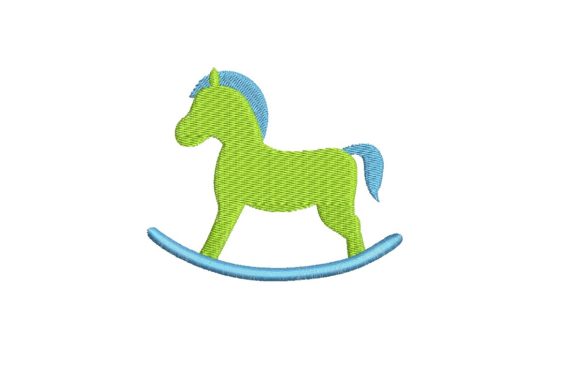
As an experienced embroidery designer, I evaluate every machine embroidery design through the lens of commercial viability and production efficiency. When reviewing the Rocking Horse Design for potential use in small business merchandise, my primary focus is not just on its aesthetic charm, but on how it translates from a digital screen to a tangible, sellable asset. This design, described as resembling classic children’s toys, offers a unique opportunity for businesses in the nursery, boutique, café, and handmade sectors. However, leveraging this playful motif for professional branding requires a strategic approach to ensure the final finished product meets high standards of quality and durability.
Visual Personality and Brand Alignment
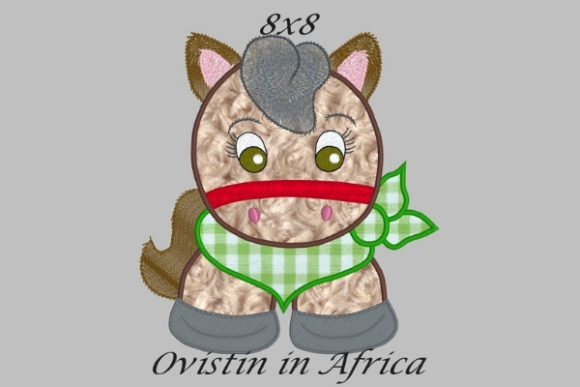
The first impression of the Rocking Horse Design is undeniably nostalgic and warm. For a business owner, this visual personality is a powerful tool. In an era where consumers crave authenticity and connection, this design communicates approachability and tradition. While categorized under "Cowboy," the aesthetic leans more toward vintage Americana or rustic nursery decor rather than rugged western wear. This distinction is vital for brand identity.
For a local bakery, florist, or pet brand, this design signals a family-friendly, artisanal atmosphere. It works exceptionally well for businesses that want to soften their corporate image or highlight a specific product line dedicated to children or heritage crafts. When evaluating this embroidery file, I look for clean lines and balanced proportions that maintain this friendly character even when scaled down for small business merch. If your brand relies on sleek minimalism or high-tech modernism, this design may create visual dissonance. However, for brands built on warmth, care, and handmade values, it is a strong contender.
Commercial Applications and Merchandise Strategy
The versatility of the Rocking Horse Design makes it suitable for various commercial applications beyond simple decoration. As a designer, I see immediate potential in the following areas:
- Embroidered Patches: The distinct silhouette of a rocking horse lends itself perfectly to patch creation. These can be sold as standalone accessories, used as loyalty rewards, or applied to denim jackets and tote bags as branded add-ons.
- Apron Embroidery: For cafés and bakeries, placing this design on the chest or pocket of staff aprons creates a cohesive, thematic uniform that feels custom rather than generic.
- Tote Bag Design: Canvas totes are a staple for markets and boutiques. This design provides a central focal point that encourages customers to reuse the bag, acting as mobile advertising.
- Cap Embroidery: While challenging, this motif can work on unstructured dad hats or beanies, appealing to parents and fans of vintage aesthetics.
- Product Packaging: Stitching this design onto fabric gift bags or wrapping ribbons elevates the unboxing experience for Etsy sellers and boutique owners.
When planning custom apparel or merchandise, consider how the design interacts with your existing logo. The Rocking Horse Design should complement, not compete with, your primary text-based branding. It serves best as an emotional anchor or a secondary icon within your broader design assets library.
Production Considerations and Technical Limitations
A beautiful digitization can fail if production realities are ignored. When preparing this digital embroidery file for commercial use, you must assess several technical factors to avoid costly reworks or customer returns.
Stitch Density and Fabric Texture
Because this design mimics a toy, it likely contains fill stitches that simulate texture. High stitch density looks premium on stable fabrics like canvas, twill, or denim. However, on lightweight knits or performance wear, excessive density can cause puckering or distortion. Always test the design on the exact fabric texture you intend to use for production. If you are embroidering on dark uniforms, ensure the thread colors provide sufficient contrast; pastel threads on navy fabric often get lost unless outlined or backed properly.
Sizing and Detail Retention
One of the most common mistakes in commercial embroidery is resizing without adjusting stitch parameters. The Rocking Horse Design may lose critical details if reduced too small for a sleeve cuff or cap front. Before committing to a bulk order of embroidered patches or uniforms, verify the minimum viable size. Tiny lettering or intricate facial features on the horse may turn into indistinguishable blobs at reduced scales. Conversely, enlarging the design significantly may expose gaps in the fill stitching if the original digitization was not intended for large formats.
Hoop Size and Stabilizer Selection
Confirm the required hoop size before purchasing or downloading. Nothing halts production faster than realizing a design exceeds your machine’s maximum field. Furthermore, proper stabilizer choice is non-negotiable. For structured items like caps or heavy tote bags, use appropriate backing to prevent registration errors. For stretchy fabrics used in children’s clothing, a cut-away stabilizer is essential to maintain the design's shape after washing.
Impact on Customer Trust and Perceived Value
In the handmade and small business sector, embroidery quality directly correlates to perceived value. A poorly executed Rocking Horse Design—plagued by misaligned outlines, thread breaks, or poor tension—signals amateurism. Conversely, a crisp, well-executed stitch-out reinforces trust. Customers associate precise apron embroidery or clean patches with attention to detail in other areas of your business, such as food safety, product sourcing, or customer service.
This design also taps into the emotional economy. A handmade product featuring a nostalgic motif triggers positive memories, making customers more willing to pay a premium. For Etsy sellers, this emotional connection drives engagement and repeat purchases. Using this design consistently across your printable mockup listings and physical products builds visual recognition, helping your brand stand out in crowded marketplaces.
Essential Pre-Production Checklist for Business Owners
Before running a full production batch using the Rocking Horse Design, follow this professional protocol to mitigate risk:
- Verify Commercial Licensing: Confirm that the embroidery file includes rights for commercial use on merchandise. Personal-use-only licenses do not cover selling branded goods.
- Test in Black and White: Run a grayscale test stitch-out first. This reveals structural issues, density problems, and outline alignment without wasting colored thread.
- Create Client Mockups: Use a realistic printable mockup to get client approval before stitching. Ensure they understand how the design will look on the actual garment versus a screen.
- Check Thread Contrast: Evaluate visibility under store lighting conditions. Adjust thread colors if the design disappears against the base fabric.
- Wash Test: If producing children’s wear or frequently laundered uniforms, wash and dry the test sample to check for shrinkage, color bleeding, or stabilizer residue.
- Compare Beside Other Assets: Place the stitched sample next to your existing logo and branding materials to ensure stylistic cohesion.
The Rocking Horse Design holds significant promise for businesses seeking to add warmth and character to their merchandise. By treating it as a professional production asset rather than just a cute graphic, and by adhering to rigorous testing protocols, you can transform this nostalgic motif into a profitable element of your brand identity. Whether used for cap embroidery, boutique tags, or event giveaways, success lies in respecting both the design’s charm and the technical demands of commercial embroidery.