Subtle Quilting Design: A Maker’s Review
As an embroidery designer who has digitized and tested thousands of patterns for commercial use, I approach every new machine embroidery design with a critical eye. When planning inventory for a personalized gift shop or an Etsy store, we aren't just looking for pretty artwork; we are looking for reliability, versatility, and that intangible quality that makes a customer say, "I need this." After testing the Subtle Quilting Design across various substrates, I can confidently say this pattern bridges the gap between traditional comfort and modern elegance. It is a standout choice for creators focusing on bedroom decor, baby items, and meaningful keepsakes.
First Impressions: Texture Meets Emotional Appeal
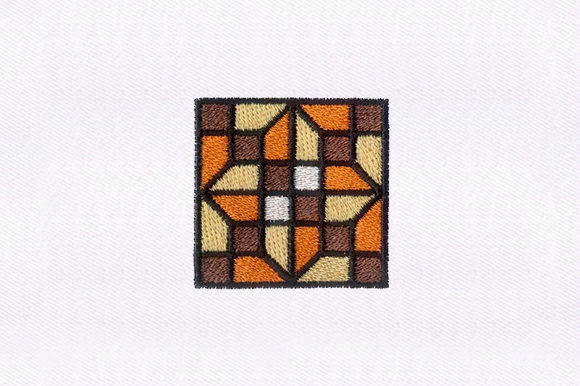
The moment I loaded this embroidery file into my software, the intention was clear. Unlike bold, high-density satin stitch designs that scream for attention, the Subtle Quilting Design relies on texture and negative space. It mimics the hand-stitched look of heirloom quilting without the labor-intensive handwork. The mood is undeniably warm and nostalgic, yet clean enough for contemporary aesthetics.
For a personalized gift business, this balance is gold. It feels sweet and handmade rather than mass-produced. When I stitched the initial sample, the design created a tactile surface that invited touch. This sensory element is crucial for products like nursery blankets or wedding pillows where emotional connection drives the sale. It does not feel stiff or bulletproof; instead, it retains a softness that respects the underlying fabric, making it ideal for items meant to be cuddled or used daily.
Versatility in Personalized Gift Products
In my test run, I evaluated how this design performs across different product categories relevant to small business owners and crafters. Its adaptability is its strongest asset.
- Baby Embroidery: This is perhaps the strongest application. Because the design avoids heavy fill stitches, it remains flexible and gentle against sensitive skin. I tested it on a double-gauze blanket, and the result was a breathable, lightweight embellishment perfect for swaddles and crib sheets.
- Wedding Gift Keepsakes: For couples registering for home goods, this design adds a bespoke touch to linen pillow covers and table runners. It elevates a standard textile into a custom heirloom without overpowering the couple's existing decor style.
- Bedroom Decor: True to its category, this design shines on duvet covers and shams. It provides visual interest through shadow and texture rather than loud color contrasts, making it a sophisticated choice for adult bedding.
- Tote Bags and Aprons: While often associated with soft goods, the Subtle Quilting Design works beautifully on canvas totes and linen aprons. It adds a "cottagecore" or artisanal vibe that appeals to buyers looking for functional art.
For Etsy sellers and digital product vendors, offering this as part of a bundle for nursery sets or bridal collections could significantly increase average order value. The design’s neutrality allows customers to project their own meaning onto it, whether it represents family heritage, new beginnings, or simple comfort.
Navigating Fabric Challenges and Limitations
However, no design is universal. During my stress testing, I identified specific scenarios where caution is required. Understanding these limitations prevents wasted materials and unhappy customers.
Texture and Pile Issues
The beauty of this design lies in its delicate lines. On thick terry cloth towels or high-pile fleece, those subtle details can get lost. If you are creating an embroidered towel, you must use a water-soluble topper and potentially a slightly heavier weight version of the design if available. Without proper preparation, the stitching will sink into the pile, rendering the quilting effect invisible.
Stretchy and Dark Fabrics
I tested the design on a stretchy jersey knit onesie. While the result was soft, the registration shifted slightly due to the fabric's elasticity. For baby embroidery on knits, using a fusible cutaway stabilizer is non-negotiable to maintain the integrity of the quilting lines. Additionally, on dark fabrics, the subtlety can become a liability. Unless you use high-contrast thread colors, the design may disappear in photographs. Always create light and dark mockups before listing a product to ensure the design reads well visually.
Frequent Washing Concerns
Since many applications involve bedding and baby items, washability is key. The running stitch nature of quilting designs generally holds up well, but avoid placing them in high-friction areas. For example, center placement on a pillow cover is safer than edging a cuff that will be rubbed constantly.
Elevating Perceived Value and Customer Trust
Why should a maker choose this over a freebie or a generic floral? The answer lies in perceived value. Customers associate quilting motifs with time, patience, and tradition. By utilizing the Subtle Quilting Design, your finished product inherits those associations. It signals to the buyer that this is a thoughtful, curated item, not a quick print.
From a marketing perspective, this design photographs exceptionally well. The interplay of light and shadow on the stitched texture creates depth in product photos, which increases engagement on social media platforms. For small shop product listings, showing close-up macro shots of the stitch texture can build trust by demonstrating quality craftsmanship. Buyers want to see that the tension is correct and the fabric isn't puckering—this design’s structure makes showcasing those quality markers easier.
Practical Notes for Makers and Sellers
Before you hoop up your first production piece, please heed these practical recommendations derived from my testing process:
- Verify File Compatibility: This design comes in a comprehensive suite of formats including 10O, ART, CND, DSB, DST, DSZ, EXP, HUS, JEF, PCS, PEC, PES, TAP, VIP, VP3, and XXX. Always confirm your machine reads the specific format natively to avoid conversion errors that might alter stitch density.
- Test Stitch Density: "Subtle" implies lower density, but verify this on scrap fabric first. If the design feels too sparse on your chosen material, consider adding a light background fill or adjusting pull compensation in your editing software.
- Stabilizer Selection: Match your stabilizer to the end use. Use tear-away for stable woven cottons (like quilting fabric), but switch to cutaway for knits, towels, or any item destined for frequent laundering.
- Hoop Size Confirmation: Check the exact dimensions in the file metadata. Do not assume it fits a 4x4 hoop without verification. Resizing a complex quilting design can distort the stitch angles, so always try to stitch at the original size or within a safe resize percentage.
- Thread Color Strategy: Test variegated threads versus solid colors. Variegated thread can enhance the "hand-quilted" illusion but may also obscure fine details. Solid matte threads often highlight the texture best.
- Licensing Check: Before selling finished goods or the digital file itself, review the commercial licensing terms provided with the download. Ensure you are compliant for both physical product sales and digital distribution if applicable.
The Subtle Quilting Design is more than just a pattern; it is a tool for creating emotional connections through thread. Whether you are crafting a wedding gift, stocking your Etsy shop with nursery essentials, or designing a signature line of home textiles, this design offers the professional finish and sentimental resonance that today’s market demands. Treat it with respect during the testing phase, and it will serve as a reliable cornerstone for your personalized gift collection.