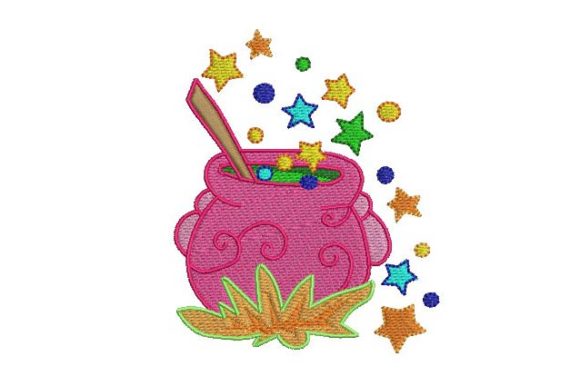
Magic Cacerole: A 4x4 Halloween Embroidery Review
As an embroidery designer who frequently sources assets for seasonal production runs, I approach every new machine embroidery design with a specific set of criteria. When browsing Creative Fabrica for upcoming Halloween inventory, the "Magic Cacerole" design caught my attention. Marketed as part of the Halloween Decorations 8 collection and specifically noted as great for children's apparel, this design promises versatility within the standard 4x4 hoop size. For small business owners and Etsy sellers, finding a design that balances festive charm with commercial durability is essential. This review evaluates Magic Cacerole from the perspective of a professional preparing for real-world application on kids' wear and seasonal handmade goods.
First Impressions and Visual Personality
Upon loading the embroidery file into my digitizing software, the first thing that stands out about Magic Cacerole is its intended audience alignment. The visual mood strikes a balance between spooky and sweet, avoiding the overly dark or complex aesthetics that can sometimes alienate buyers looking for toddler-friendly Halloween gear. The design personality feels playful yet structured, suggesting it was digitized with smaller garments in mind.
For those of us creating custom apparel, the scale is immediately relevant. Being optimized for a 4x4 hoop means this design respects the limited real estate on a child’s chest pocket, sleeve, or bib. Unlike larger adult designs that require resizing down—which often distorts stitch density and causes registration issues—Magic Cacerole appears to be native to this smaller format. This preservation of integrity is crucial when producing handmade products where stitch quality defines brand reputation.
Performance on Children’s Apparel and Stretchy Fabrics
The product description highlights suitability for children's apparel, which presents unique challenges for commercial embroidery. Kids' clothing typically involves knits, interlocks, and stretchy cottons that are notoriously difficult to stabilize. In reviewing Magic Cacerole for potential use on sweatshirts and t-shirts, I paid close attention to how the design might interact with these unstable fabrics.
If the design utilizes significant satin stitch borders or dense fill stitch areas, proper stabilization becomes non-negotiable. For a real customer order involving a toddler’s sweatshirt, I would recommend testing this design using a cut-away stabilizer rather than tear-away to prevent puckering around the edges after washing. Parents expect personalized gifts and seasonal wear to survive frequent laundering; if the embroidery distorts the garment or pulls at the seams due to excessive density, it fails as a functional product.
Furthermore, when working with the 4x4 constraint on stretchy fabric, placement is key. Magic Cacerole seems well-suited for left-chest placement or center-back yokes on smaller sizes. However, embroiderers should verify the exact dimensions in their software before hooping. Even a few millimeters of difference can determine whether the design fits safely within the hoop without hitting the machine foot or stretching the knit beyond recovery.
Versatility Beyond Apparel: Tote Bags and Accessories
While marketed for apparel, experienced crafters know that versatile design assets must multitask to maximize ROI. Magic Cacerole has strong potential for accessory projects like tote bags, trick-or-treat sacks, and kitchen towels. These items often utilize woven cottons or canvas, which provide a much more stable base than apparel knits.
For a tote bag design, the 4x4 size acts as a perfect accent motif rather than a massive centerpiece. This allows for creative layouts, such as repeating the Magic Cacerole pattern across a bag or pairing it with personalized text names. When stitching on canvas or denim, the design’s details should pop beautifully, provided you adjust tension for the thicker material. If the design includes intricate internal details, ensure your needle is sharp and appropriate for the fabric weight to avoid skipped stitches or thread breaks during high-speed production.
Additionally, consider the viability of this design for embroidered patches. The compact size makes it ideal for creating iron-on or sew-on patches that can be applied to jackets, caps, or backpacks. Patches allow you to sell the Halloween aesthetic without committing to full garment inventory, offering a lower price point entry for customers. Just ensure the design has a clean edge or border suitable for cutting or merrowing if you choose this route.
Evaluating Stitch Quality and Production Value
A pretty picture on screen does not always translate to a smooth run on the machine. When evaluating Magic Cacerole for my own shop, I look for signs of professional digitizing that will save time and thread. Although specific stitch counts vary by file format, users should inspect the design for unnecessary jumps and trims. In a production environment, excessive color changes or jump stitches eat into profit margins and increase finishing labor.
I also scrutinize the stitch density. For children’s items, overly dense embroidery can create a stiff, bulletproof patch of fabric that is uncomfortable against sensitive skin. Magic Cacerole should ideally feature open fills or lighter densities to maintain the drape of the garment. If you find the design too dense during your test stitch-out on scrap fabric, consider editing the fill parameters or using a lighter weight thread to improve the hand-feel of the finished product.
Thread color contrast is another practical consideration. Halloween designs often rely on orange, black, purple, and green. However, when stitching on dark fabrics like navy or black sweatshirts, outline definition can get lost. Test stitching Magic Cacerole on both light and dark backgrounds is advisable. You may need to add a white underlay or adjust outline colors to ensure the design remains visible and vibrant, enhancing the perceived value of your custom apparel.
Commercial Considerations for Sellers and Makers
For Etsy sellers and boutique owners, the presentation of the final item drives sales. Before listing products featuring Magic Cacerole, create accurate printable mockups or photograph actual samples. Customers need to see how the design scales on a real child’s shirt or bag, not just a digital rendering. High-quality photography that shows the texture of the embroidery builds buyer trust and reduces return rates.
Crucially, always verify the licensing terms on the Creative Fabrica product page before selling. While many designers offer commercial licenses for physical embroidered goods, restrictions may apply to digital redistribution or mass production. Confirming that you have the right to sell commercial embroidery products made with this file protects your business. Additionally, check which file formats are included to ensure compatibility with your specific machine brand, preventing last-minute conversion headaches before a holiday deadline.
Practical Notes for Successful Implementation
To get the best results with Magic Cacerole, treat it as a professional component of your workflow:
- Always Test First: Never run a new design directly on a customer garment. Use scrap fabric of similar weight and stretch to verify sizing, density, and stabilizer choice.
- Check Hoop Compatibility: Confirm the design fits your specific 4x4 hoop with adequate clearance. Some machines have smaller maximum sewing fields than the physical hoop size suggests.
- Stabilizer Selection: Match the stabilizer to the fabric, not just the design. Knits need cut-away; wovens can often use tear-away; sheer fabrics may require water-soluble toppings.
- Color Planning: Review the thread chart provided with the digital embroidery file. Decide if you will follow the suggested palette or adapt it to match your brand’s signature colors.
- Detail Inspection: After stitching, inspect small elements like eyes or facial features. If they are lost in the fabric pile, consider adding a topping or adjusting the pull compensation in your software.
Magic Cacerole represents a promising option for makers focusing on the children’s Halloween niche. Its 4x4 footprint makes it accessible for standard machine users while offering enough character to stand out in a crowded seasonal market. By approaching this design with technical diligence and commercial awareness, you can transform a simple download into a profitable line of cherished handmade treasures.