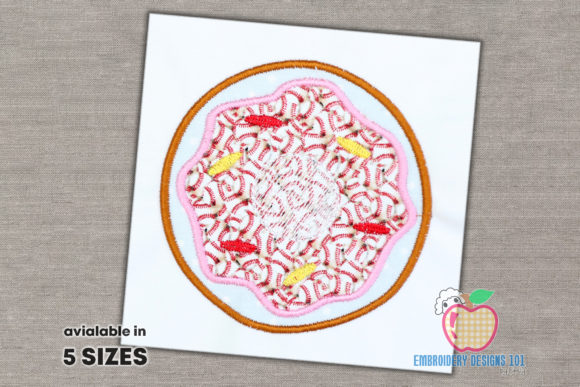
Delicious Doughnut Applique: A Designer's Review
As an embroidery designer who regularly sources assets for both custom client orders and my own Etsy shop, I approach every new download with a critical eye. When browsing the dessert category on Creative Fabrica, the Delicious Doughnut Applique immediately caught my attention. It is not just about finding a cute graphic; it is about finding a functional machine embroidery design that stitches out cleanly, holds up to washing, and adds genuine value to a handmade product. After evaluating this design for potential use in real-world projects ranging from kitchen textiles to custom apparel, here is my honest assessment of its performance and versatility.
First Impressions and Visual Appeal
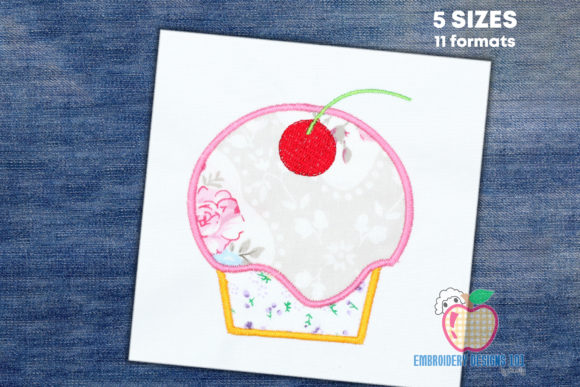
The visual mood of the Delicious Doughnut Applique strikes a balance between playful nostalgia and modern boutique aesthetics. For those of us creating products for craft fairs or online marketplaces, this distinction matters. The design avoids looking overly juvenile, making it suitable for adult custom apparel like sweatshirts and aprons, while still retaining enough whimsy for nursery decor or baby blankets. The separation of steps by color changes suggests a logical stitch-out sequence, which is vital when managing production time. As an applique design, it relies on fabric texture to do much of the heavy lifting visually, allowing for creativity in material selection rather than relying solely on dense thread coverage.
Performance on Apparel and Wearables
I evaluated this design specifically with sweatshirt embroidery and tote bags in mind. These are high-value items where stitch quality directly impacts buyer trust. Because this is an applique style, the overall stitch density is generally lower than a full-fill design. This is a significant advantage for apparel. Heavy, dense designs can cause puckering on knit fabrics or make a sweatshirt feel stiff and uncomfortable. The Delicious Doughnut Applique appears engineered to maintain fabric drape, which is essential for commercial-grade wearables.
However, practical application requires attention to detail. If you are stitching this on stretchy French terry or jersey knits, using the correct stabilizer is non-negotiable. I recommend a cut-away stabilizer for any wearable project to prevent distortion over time. For tote bag design applications on canvas or denim, the design’s structure should hold up beautifully, but you must ensure your hoop tension is even to avoid registration issues between the placement line and the final satin border. Always check the specific hoop size requirements listed in the embroidery file details before committing to a project, as resizing applique can sometimes distort the tack-down stitches.
Versatility in Home Decor and Gifts
Beyond apparel, this design shows strong potential for home goods. Kitchen towels and aprons are staple items for small business owners, and dessert-themed Embroidery performs consistently well in this niche. The Delicious Doughnut Applique offers a unique opportunity for mixed-media texture. Imagine using a waffle-weave fabric for the doughnut base and a smooth cotton print for the frosting. This tactile contrast elevates the perceived value of the finished product far beyond what standard thread alone could achieve.
For personalized gift items like baby blankets or pillow covers, the softer nature of applique is preferable to dense fill stitches against sensitive skin. However, because these items require frequent washing, durability is key. Ensure that the satin stitch borders are secure and that you are using high-quality polyester or cotton threads that can withstand hot water cycles. When creating items for children, always verify that the design does not contain excessively long jump stitches or loose loops that could pose a safety hazard, although reputable Creative Fabrica embroidery designers typically digitize with these standards in mind.
Technical Considerations for Production
While the description notes that this digital embroidery file comes in multiple formats compatible with various machines, professional results depend on your specific setup. Before running this design on a customer order or premium blank, you must perform a test stitch-out on scrap fabric. This step allows you to evaluate several critical factors:
- Thread Color Contrast: Test how the outline interacts with different fabric choices. A dark outline on dark fabric may disappear, while high contrast can sometimes look harsh if the digitizing isn't refined.
- Registration Accuracy: Check if the fabric edge aligns perfectly with the final satin stitch after trimming. Gaps or fraying edges can ruin the professional look of commercial embroidery.
- Small Detail Clarity: If the design includes sprinkles or tiny accents, ensure they stitch out clearly without bird-nesting. Sometimes reducing machine speed for intricate sections improves precision.
- Stabilizer Compatibility: Confirm that your chosen backing supports the design weight without leaving residue or causing hoop burn on delicate fabrics.
Additionally, review the product page carefully for licensing terms. As creative entrepreneurs, we must respect intellectual property. Verify whether the license permits selling physical embroidered items versus digital files, especially if you plan to incorporate this design into a larger collection of design assets.
Enhancing Product Value and Presentation
In the competitive landscape of handmade goods, presentation drives sales. The Delicious Doughnut Applique lends itself exceptionally well to lifestyle photography. Unlike flat, dense embroidery, applique has dimension and texture that photographs beautifully. When listing items on Etsy or social media, showcase the texture close-up. Use natural lighting to highlight the fabric grain within the design. This visual evidence of quality helps justify premium pricing.
Furthermore, consider how this design integrates into your brand consistency. If your shop specializes in retro kitchenware, this design fits naturally. If you focus on modern minimalist apparel, you might choose muted thread colors and tonal fabrics to adapt the aesthetic. The flexibility of an applique design allows you to customize the "vibe" simply by changing materials, making it a versatile asset across different seasonal collections. You can even use the design to create printable mockup overlays for pre-selling custom orders, provided the resolution and licensing allow for digital display use.
Final Thoughts for Embroiderers
The Delicious Doughnut Applique represents a solid addition to a professional digitizer’s or embroiderer’s library, particularly for those targeting the gift and home decor markets. Its reliance on fabric rather than excessive thread count makes it efficient to stitch and comfortable to wear. However, success lies in execution. Treat this embroidery file as a foundation that requires your technical expertise regarding stabilization, hooping, and material selection.
Whether you are producing embroidered patch sets, decorating caps, or fulfilling a bulk order for a local bakery’s staff aprons, this design offers charm and functionality. Just remember to validate all technical specifications and license details on the Creative Fabrica product page before beginning production. By combining this delightful design with professional finishing techniques, you can create products that delight customers and stand the test of time. Always prioritize testing and quality control to ensure that every stitch reflects the high standards of your handmade business.