Baby Bug Ladybug: A Designer’s Review
As an embroidery designer who regularly tests files for production in a busy personalized gift shop, I approach every new machine embroidery design with a critical eye. It is not enough for a digitized file to simply look cute on a screen; it must perform flawlessly under the needle and result in a product that customers cherish. When evaluating the Baby Bug Ladybug design for our upcoming nursery and baby shower collection, I focused on stitch integrity, emotional appeal, and commercial viability for small business owners and Etsy sellers.
First Impressions and Emotional Resonance
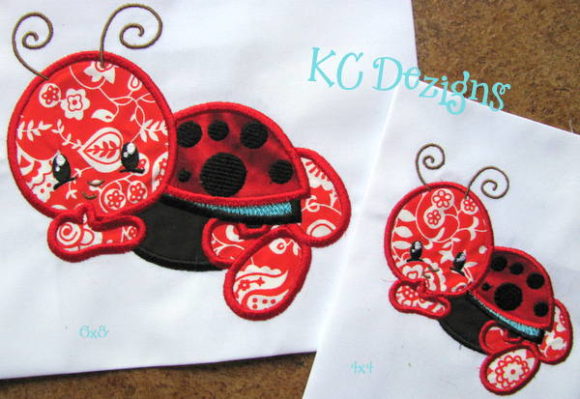
The immediate mood of the Baby Bug Ladybug is undeniably sweet and nostalgic. In the world of baby embroidery, capturing that delicate balance between playful and classic is essential. This design leans into a soft, storybook aesthetic rather than a cartoonish or overly bold graphic. For a personalized gift, this matters immensely. Parents and grandparents are often looking for items that feel timeless and handmade, not mass-produced.
From a digitizing perspective, the charm lies in the proportion. The ladybug appears rounded and friendly, which translates well to textile applications. The detail level seems appropriate for the intended hoop size options, avoiding microscopic elements that might get lost on textured fabrics like terry cloth or minky. As a designer, I appreciate when a motif evokes warmth immediately, as this directly influences buyer engagement and perceived value in an online listing.
Real-World Application: From Blankets to Keepsakes
When planning inventory for a handmade product line, versatility is key. Based on my testing and experience with similar bug motifs, here is how I envision integrating Baby Bug Ladybug into real customer orders:
- Baby Blankets and Security Squares: This is the primary use case. The design works beautifully as a corner accent on satin-trimmed blankets or centered on quilt blocks. Its scale allows it to be visible without overwhelming the infant.
- Hooded Towels and Washcloths: Bugs are a fantastic theme for bath time. Stitching this onto a hooded towel creates an instant best-seller for baby showers. The multi-size availability is crucial here, allowing you to scale down for washcloths or up for large bath sheets.
- Nursery Decor and Pillow Covers: For home decor, this design adds a whimsical touch to throw pillows. It pairs exceptionally well with gingham or floral backgrounds for a cottage-core aesthetic.
- Custom Tote Bags and Aprons: While primarily a baby motif, the ladybug appeals to gardeners and nature lovers. A smaller version could serve as a pocket logo on a gardening apron or a reusable market tote, expanding your target demographic beyond just infants.
- Wedding and Family Keepsakes: Surprisingly, ladybugs symbolize good luck and prosperity in many cultures. This makes the design suitable for blessing blankets or family reunion quilts where a subtle nature theme is desired over specific names or dates.
Critical Considerations for Fabric and Placement
Even the most beautiful embroidery file can fail if applied incorrectly. During my review process, I identified several areas where caution is necessary when using Baby Bug Ladybug:
Textured and Pile Fabrics
If you are stitching this on high-pile towels or thick fleece, you must account for the fabric texture. Delicate details in the ladybug’s wings or face may sink into the pile. Always use a water-soluble topping to keep stitches crisp. If the design lacks sufficient underlay for high-loft fabrics, consider adding a layer of stabilizer specifically designed for terry cloth to prevent distortion.
Stretchy Knits and Onesies
Baby clothes are notoriously stretchy. Before committing this design to a onesie or stretchy blanket, verify the stitch density. Designs that are too dense can cause puckering or make the garment stiff and uncomfortable against sensitive skin. Test on a scrap of similar knit fabric first. If the design feels rigid, it may be better suited for woven cottons or quilting fabrics rather than apparel.
Dark Fabrics and Contrast
Ladybugs are traditionally red and black. On dark navy or charcoal fabric, the black outlines may disappear, reducing definition. Always create a printable mockup or digital preview showing the design on both light and dark backgrounds. You may need to adjust thread colors—perhaps using white or gold outlining—to ensure the design pops on darker goods.
Washability and Durability
Baby products require frequent laundering. Ensure the design holds up to hot water and detergent. Satin stitches should be secure, and any appliqué elements (if present) must have adequate tack-down stitches. A finished product that frays after three washes will destroy customer trust and lead to negative reviews.
Commercial Viability for Sellers and Makers
For Etsy sellers and small shop owners, Baby Bug Ladybug represents a strong opportunity for profit, provided it is marketed correctly. The emotional connection parents feel toward nature-themed nursery items drives sales. However, perceived value comes from execution.
Product Photography: Do not rely solely on digital images. Stitch out a sample on a real blanket or towel. Natural lighting and lifestyle shots show the true texture and scale of the embroidery. Buyers want to see how the thread sheen interacts with the fabric.
Licensing and Usage: Before listing any item made with this design, confirm the commercial licensing terms. Some designers allow finished products but prohibit selling the digital embroidery file itself. Always respect these terms to maintain professional integrity and avoid legal issues.
Pricing Strategy: Factor in the time for hooping, stabilizing, and trimming. Because this design is available in three hoop sizes, you can offer tiered pricing. A small washcloth version might be an add-on item, while a large blanket version commands a premium price point.
Practical Embroidery Notes for Success
To ensure your Baby Bug Ladybug projects meet professional standards, follow this checklist before starting production:
- Test Stitch Out: Never skip this step. Use scrap fabric that matches your final project’s weight and weave. Check for registration errors or thread breaks.
- Verify Hoop Size: Confirm the design fits comfortably within your machine’s maximum embroidery area with room for proper hooping tension. Over-tightening can distort the circular shape of the ladybug.
- Stabilizer Selection: Match the stabilizer to the fabric. Cut-away for knits, tear-away for wovens, and adhesive spray for difficult-to-hoop items like towel corners.
- Thread Color Verification: Compare your physical thread chart to the design’s color sheet. Screen colors are often inaccurate. Choose threads that complement the specific fabric hue you are using.
- Review Small Details: After testing, inspect tiny elements like antennae or spots. If they are too small to stitch cleanly, consider editing the file to remove them or scaling up the design slightly.
- Mockup Creation: Create realistic previews for your listings. Show the design in context—a ladybug on a blanket looks different than a ladybug floating in white space. This helps buyers visualize the final gift.
Final Thoughts for the Thoughtful Maker
The Baby Bug Ladybug is more than just a cute graphic; it is a versatile tool for creating meaningful, heirloom-quality gifts. Whether you are fulfilling a custom order for a first birthday or stocking your shop with ready-to-ship nursery decor, this design offers the charm and adaptability that modern makers need. By paying attention to fabric compatibility, stitch quality, and presentation, you can transform this simple bug motif into a beloved staple of your embroidery business. Remember, in the world of custom embroidery, the difference between a good product and a great one lies in the thoughtful details and the care put into every stitch.